

Oral health
for children
Did you know?
In Malaysia, nearly three quarters of preschool children suffer from bleeding gums and decayed teeth, which can harm their overall wellbeing and development. Moreover, research indicates that children with cavities in their early years are three times more likely to have them as adults. The Malaysian National Oral Health Survey of Preschool Children (NOHPS) reveals that a staggering 71.3% of 5-year-olds already exhibit cavities.1
Cavities may be such a common gum disease among children, but there is short- and long-term consequences if ignored. As a parent or caregiver, follow this gum care advice to nurture positive oral hygiene in your child and keep cavities and gum disease at bay.
Stages of dental caries progression2
Initial
demineralizationTooth decay begins with demineralization, where acids from plaque bacteria dissolve enamel minerals, often appearing as a white spot on the
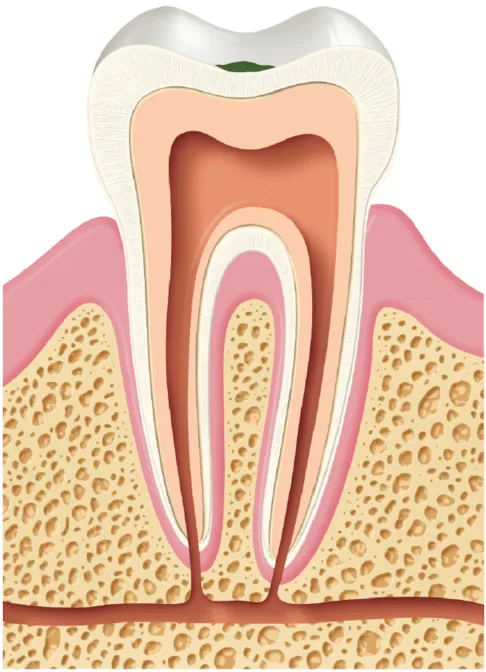
Enamel decay
Cavities form as enamel decay progresses, turning white spots brown and creating holes that require dental filling.
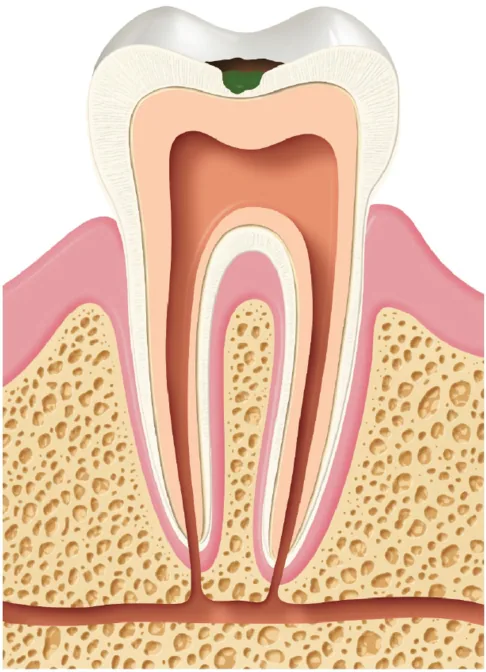
Dentin decay
When decay reaches the softer dentin layer beneath the enamel, it progresses rapidly and often causes tooth sensitivity to hot or

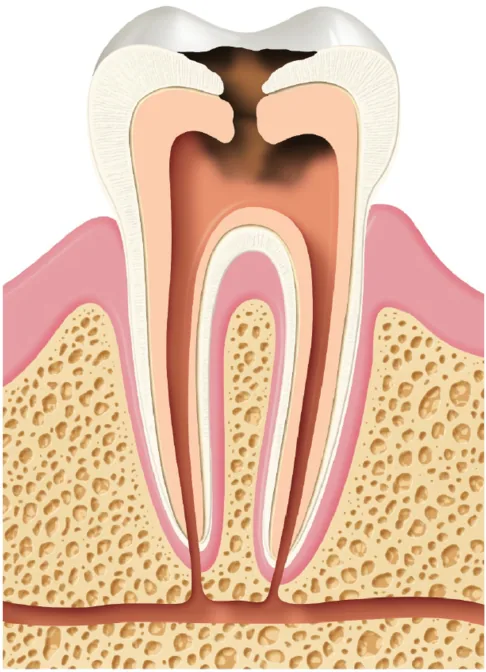
Pulp damage
Damage to the tooth’s pulp causes swelling, pressure on the nerves, and significant pain.
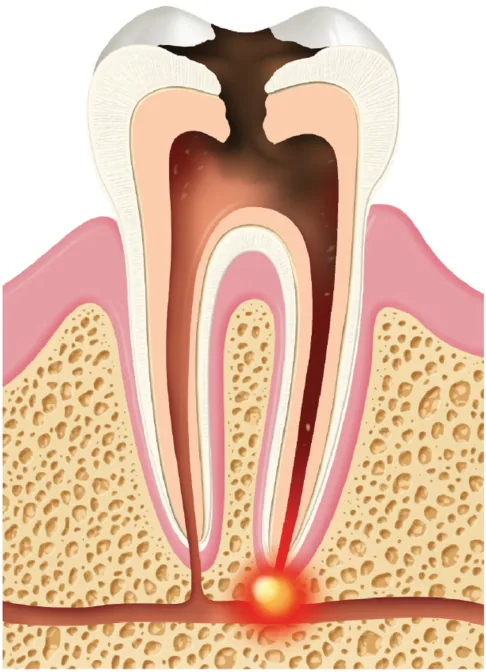
Abscess
An abscess forms when infection reaches the pulp, causing severe pain, pus, and swelling, and requires immediate treatment to prevent the spread of infection.
Start ‘em early
FOR BABIES3
- Gently wipe your baby’s gums twice daily using a soft, clean cloth. Perform this ritual in the morning after the first feeding and again before bedtime.
- Once your baby’s teeth emerge, initiate a brushing routine by using a soft, small-bristled toothbrush and plain water twice a day.
- Once they turn one, bring them for their first dental check-up. Subsequent visit every 6 months is recommended to detect any potential issues at an early stage.
- For children age below 2, it is best to consult with your doctor or dentist regarding the use of fluoride toothpaste.
FOR CHILDREN1,3,4
- Brush their teeth twice a day with fluoride toothpaste.
- Help them with brushing by guiding their hand until they are able to do it properly on their own. If they are younger than 6, keep an eye on them to ensure they use only a pea-sized amount of toothpaste, and do not swallow after brushing.
- Have them stand in front of a mirror so they can see where they are brushing.
- Make visits to the dentist a regular activity for them to become familiar with the experience.
- Watch out for behavioural change. Not wanting to eat certain food or brush their teeth could indicate cavities or gum disease. They may also display irritability or lack of concentration as signs of discomfort.
Other healthy teeth pointers1,5:
- Introduce babies to a cup containing breast milk, formula, or water around 6 months of age.
- Use a cup without a lid or with a valveless lid.
- By the time they reach 1, transition them from bottles to cups for their drinks.
- Avoid giving juice to babies under 12 months old. If you choose to offer juice afterward, limit it to less than half a cup daily for toddlers, and less than 1 cup for kids aged 4 and above.
- Opt for 100% fruit juice, serve it in a cup (not a bottle), and offer it only during mealtimes.
- Avoid letting your child sleep with a bottle or sippy cup containing milk or juice, and encourage them to sip only water throughout the day.
- Delay introducing food with added sugar or salt, so that they would not develop a preference for those flavours early in life.
- Reduce intake of sugary drinks and snacks, such as carbonated drinks, juice drinks, sports drinks, chocolates and sweets. If your child must have them, keep it to mealtimes only.
- Make your home and car a smoke-free environment. Children are more likely to get cavities around secondhand smoke.
References: 1. https://www.imu.edu.my/imunews/poor-oral-care-in-children-a-hidden-epidemic/ 2. https://www.healthline.com/health/dental-and-oral-health/tooth-decay-stages#pictures 3. https://www.cdc.gov/oral-health/prevention/oral-health-tips-for-children.html 4. https://www.nhs.uk/live-well/healthy-teeth-and-gums/taking-care-of-childrensteeth/ 5. https://kidshealth.org/en/parents/healthy.html