

Receding Gums
How important gums for us?1,2
Gums play a vital supporting role in keeping the mouth and body healthy, so although it is the teeth that people tend to notice first, without the strength and cushioning gums provide, people would not withstand the pressure of biting or chewing.
Looking after the gums is equally as important as looking after the teeth, so following a good mouth care regime should negate the need for any intervention.
However, many people do not regularly clean their teeth and may be doing it incorrectly, causing damage by using a hard bristled brush or applying too much pressure to the gum area when brushing. Oral care may not be a high priority and is neglected for those admitted to the hospital or home care. This leads to poor oral health of the mouth and gums over time, resulting in pain when trying to eat.
Gums should also be light pink in colour; if they look white or very pale, it may be a sign of anaemia.2

Receding gums occur when the gums pull back from the tooth surface, exposing the root surfaces of the teeth. It’s a type of gum disease known as periodontal disease. This is a major side effect of inadequate oral hygiene that can lead to tooth loss.
SYMPTOMS1
- Bleeding after brushing or flossing
- Swollen, painful gums
- Bad breath
- Exposed teeth roots
- Loose teeth
CAUSES1
- Aggressive brushing
- Poor oral hygiene
- Hardened plaque
- Smoking
- Diabetes
Is periodontal disease
caused by receding gums?3
Gingivitis can develop from receding gums, and if left untreated, periodontitis can develop, in which the gums peel away from the teeth, forming pockets or spaces that can get infected. Periodontal diseases, such as receding gums, are estimated to be associated for around 70% of adult tooth loss.
Is there a link between
receding gums and
gingivitis?4,5
Gingivitis is a bacterial infection that causes the gums to become inflamed, red, and swollen. This is a mild form of gum disease that can be treated with daily flossing, brushing, and dentist or hygienist visits. Stress is one of the most major causes of gingivitis; the body creates immune cells to guard against bacteria, but this delicate balance can be disrupted when the body is under stress. Gum inflammation rises during times of stress, allowing bacteria to flourish and cause gingivitis.
Stop and cure receding gums
A receding gum line can signal a serious oral problem. However, there are a variety of techniques to avoid and treat it.
How to Stop Gum Recession

Regular oral cleaning 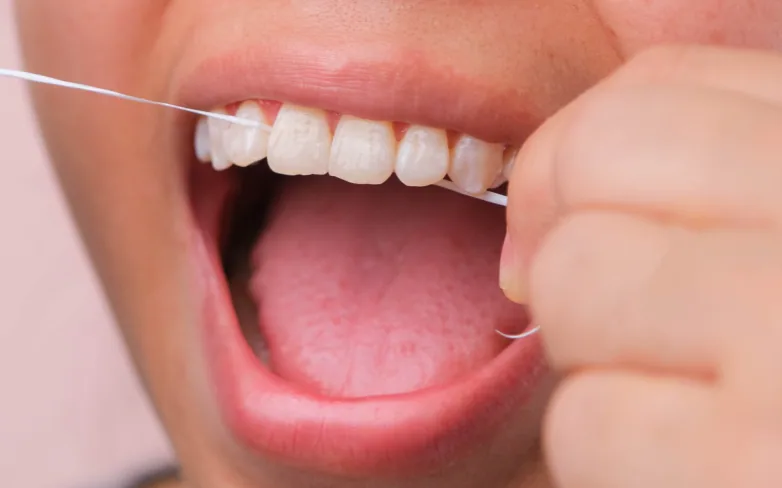
Gentle dental care 
Visit your dentist
Treatment

GENGIGEL® Mouthrinse
GENGIGEL® Spray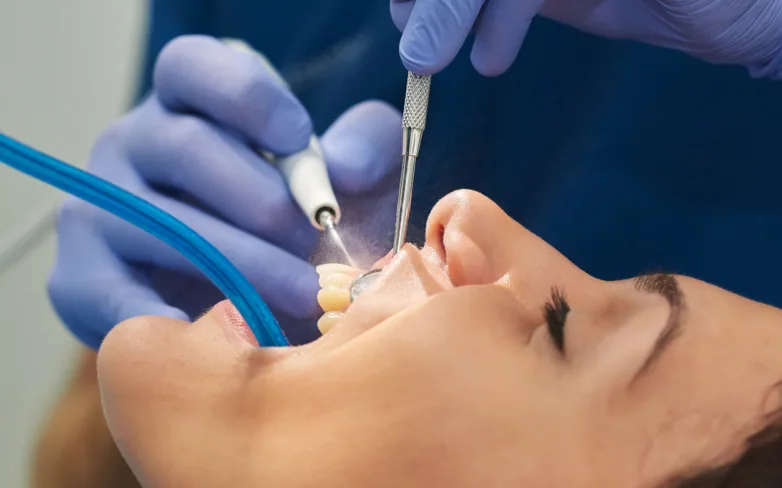
Deep cleaning 
Surgical procedure

To relieve receding gums
The GENGIGEL® Mouthrinse is a preferred product to use for receding gums since swishing it around the mouth coats the entire gum surface and the therapeutic benefits derived from bacterial fermentation help stabilise future recession. The GENGIGEL® Spray can be used to tackle the more severe gum recession, soothing and restoring healthy gums.
References: 1. https://www.verywellhealth.com/receding-gums-4768281 2. https://www.medicalnewstoday.com/articles/321914. 3. Nazir M, Al-Ansari A, Al-Khalifa K, Alhareky M, Gaffar B, Almas K. Global Prevalence of Periodontal Disease and Lack of Its Surveillance. ScientificWorldJournal. 2020 May 28;2020:2146160. 4. https://smilesofcanada.com/the-impact-of-stress-on-gingivitis/#:~:text=A%20compromised%20immune%20system%20reduces%20your%20body%E2%80%99s%20ability, behaviors%20that%20increase%20the%20risk%20of%20gum%20disease. 5. Goyal S, Gupta G, Thomas B, Bhat KM, Bhat GS. Stress and periodontal disease: The link and logic!! Ind Psychiatry J. 2013 Jan;22(1):4-11.